Burst Pipe Emergency in Little Elm, TX: What to Do Right Now
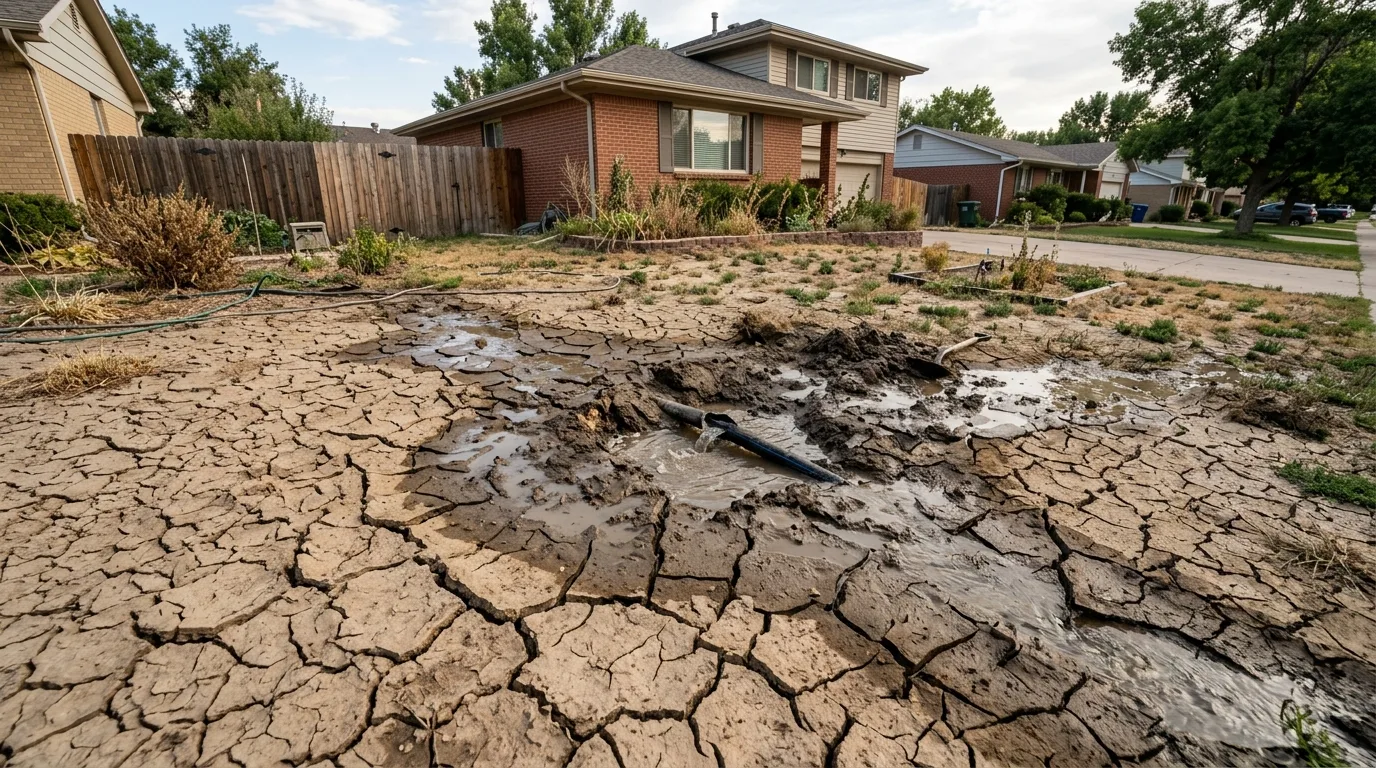
A burst pipe in your Little Elm home is releasing water at a rate that can flood a room in minutes and saturate structural materials in hours. What you do in the first 15 minutes determines whether this is a $2,000 repair or a $15,000 restoration project. This guide tells you exactly what to do — step by step — if a burst pipe is actively flooding your home right now.
In this post, we cover the immediate steps to take, what not to do, how to locate your shutoff, when to call for professional help, and how to document the damage for your insurance claim.
Water Actively Flooding? Call Now — 24/7 Emergency Response
Little Elm Water Damage Restoration is available around the clock for burst pipe emergencies throughout Denton County. Call (877) 698-1311.
Why Burst Pipe Emergencies Are Common in Little Elm
Burst pipes in Little Elm happen for three distinct reasons, and each has its own seasonal peak. Winter freeze events (December through February) cause pipes to burst when water inside the pipe freezes, expands, and splits the pipe wall. The February 2021 Winter Storm Uri produced one of the most catastrophic burst-pipe events in Texas history — thousands of Denton County homeowners experienced simultaneous pipe failures as temperatures dropped far below what the infrastructure was designed for.
Spring thunderstorm season (March through May) creates a different burst-pipe mechanism: rapid pressure surges through municipal supply lines during storm events can stress older pipe joints throughout the Little Elm water system. And Denton County’s expansive clay soil creates a year-round slab-leak risk that represents the slow-motion version of the same problem — under-slab pipes that have been stressed by soil movement until they finally fail completely.
Homes in Paloma Creek and newer Union Park communities with PEX plumbing in exterior walls or unconditioned attic spaces are particularly vulnerable to freeze-related bursts. Homes on older streets in Little Elm with copper plumbing and aging fittings face higher spring-surge and soil-stress risk.
Step-by-Step: What to Do in the First 15 Minutes
Step 1: Locate and shut off the main water supply. In most Little Elm homes, the main shutoff valve is located near the front foundation wall — often in a front flower bed, inside a meter box at the property line, or in a utility closet near the garage. Turning this valve off stops all water flow into the home immediately. If you don’t know where your shutoff is, locate it before an emergency occurs — this is the single most valuable preparation you can make.
Step 2: Turn off electricity to affected rooms. If standing water has reached floors where electrical outlets or appliances are present, turn off the circuit breakers for those rooms before entering them. Water and live electricity are a lethal combination. If you can’t safely reach the breaker panel without walking through water, call an electrician before entering the space.
Step 3: Call (877) 698-1311 for emergency water extraction. The sooner professional extraction begins, the less structural damage occurs and the less mold risk you face. Every hour after a burst pipe allows water to migrate further into wall cavities, subfloor, and adjacent rooms. Our 24/7 team can typically be on-site within 60 minutes across Little Elm and Denton County.
Step 4: Document everything before cleanup begins. Take photos and video of all visible water damage — standing water, wet walls, saturated flooring, damaged belongings. Include timestamps. This documentation is essential for your insurance claim and cannot be re-created once cleanup begins.
Step 5: Begin removing water from hard floors if safe. If the electrical situation is safe, use towels, mops, or a wet-dry vacuum to begin removing standing water from hard floors. Do not attempt to remove water from carpeted areas or from areas where contamination source is unknown — you may spread contaminated water to unaffected areas.
What Not to Do After a Burst Pipe
Several common instincts make burst-pipe damage worse, not better. Do not run ceiling fans over standing water — if there is any possibility of wiring or junction boxes being wet above the ceiling, a ceiling fan can create a shock hazard and distribute contaminated water more widely through the air. Do not attempt to use a regular household vacuum to remove standing water — it’s not designed for that purpose and creates shock risk.
Do not begin removing wet drywall or flooring without a moisture assessment first. What appears to be a localized wet area on the surface is almost always more extensive inside the wall cavity or subfloor. Removing material in the wrong sequence can disturb mold that may have already begun establishing in the dampest areas, spreading spores through the home before containment is established.
Do not wait to call your insurance company. Most policies require prompt notification of a covered loss — waiting days or weeks to report a burst pipe can affect coverage. Call your insurer as soon as you’ve addressed the immediate safety concerns in steps 1–3 above.
Burst Pipe in Little Elm — Professional Extraction Available Now
Our emergency team covers Little Elm, Frisco, The Colony, and all of Denton County. Call (877) 698-1311 for 24/7 response.
How Fast Does Water Damage Compound After a Burst Pipe?
Within the first hour: water penetrates flooring materials and begins wicking into wall cavities at floor level. Hardwood floors begin absorbing moisture and swelling. Carpet padding becomes fully saturated.
Within 24 hours: water has migrated through multiple rooms via wall base cavities, under-door gaps, and HVAC register channels. Drywall has absorbed water to ceiling height in affected walls. Mold begins establishing in damp organic materials in Little Elm’s warm climate — faster on hot summer days, slower in winter.
Within 48–72 hours: structural drying without professional equipment is no longer possible in the affected area without material removal. Mold colonies are actively growing in wall cavities and subfloor spaces. The difference between a $3,000 project and a $10,000+ project is often whether extraction and drying equipment was in place within 24 hours.
Insurance Documentation for Burst Pipe Claims in Texas
Standard Texas homeowner policies cover sudden and accidental water damage from a burst pipe. The key documentation elements your insurer will need are: photos and video with timestamps showing the extent of damage before any cleanup; the location and cause of the pipe failure; the date and time of discovery; and records of your immediate response (when water was shut off, when you called for extraction). We provide a complete moisture log, equipment placement records, and damage scope documentation as part of every restoration project, specifically because these documents are what make insurance claims process smoothly.
Frequently Asked Questions About Burst Pipes in Little Elm
What causes pipes to burst most often in Little Elm, TX?
The three primary causes in Little Elm are: (1) winter freeze events — pipes in exterior walls, unconditioned attic spaces, or garage walls freeze and burst during hard freezes; (2) Denton County clay soil movement causing slab leaks that eventually fail completely; and (3) aging pipe joints in older Little Elm homes that fail under normal pressure after years of stress. Union Park and Harvest homes with newer PEX plumbing are more resistant to freeze events than older homes, but are not immune.
How much does burst pipe water damage typically cost in Little Elm?
A burst pipe caught within 2 hours typically costs $1,500–$4,000 for extraction, drying, and minor repairs. A burst pipe discovered after 24+ hours typically costs $5,000–$15,000+ as water has migrated extensively. The pipe repair itself is additional — $500–$2,000 for standard in-wall repairs, $2,000–$8,000 for slab location repairs. Total project costs for a delayed-discovery burst pipe in Denton County frequently exceed $10,000.
Does my Texas homeowner policy cover burst pipe damage?
Yes — standard Texas homeowner policies generally cover sudden and accidental water damage from a burst pipe. Slow leaks and gradual damage may be excluded. The key is documenting the sudden failure event with timestamps and calling your insurer promptly. Contact your insurer the same day as the event, even if it’s a weekend — most carriers have 24/7 claims lines.
Emergency Burst Pipe Response — Little Elm and Denton County
Call (877) 698-1311 right now for 24/7 emergency water extraction. We serve Little Elm, Frisco, Lewisville, The Colony, and all of Denton County.
Related: