Winter Storm Prep for Little Elm Homes: Prevent Frozen Pipes
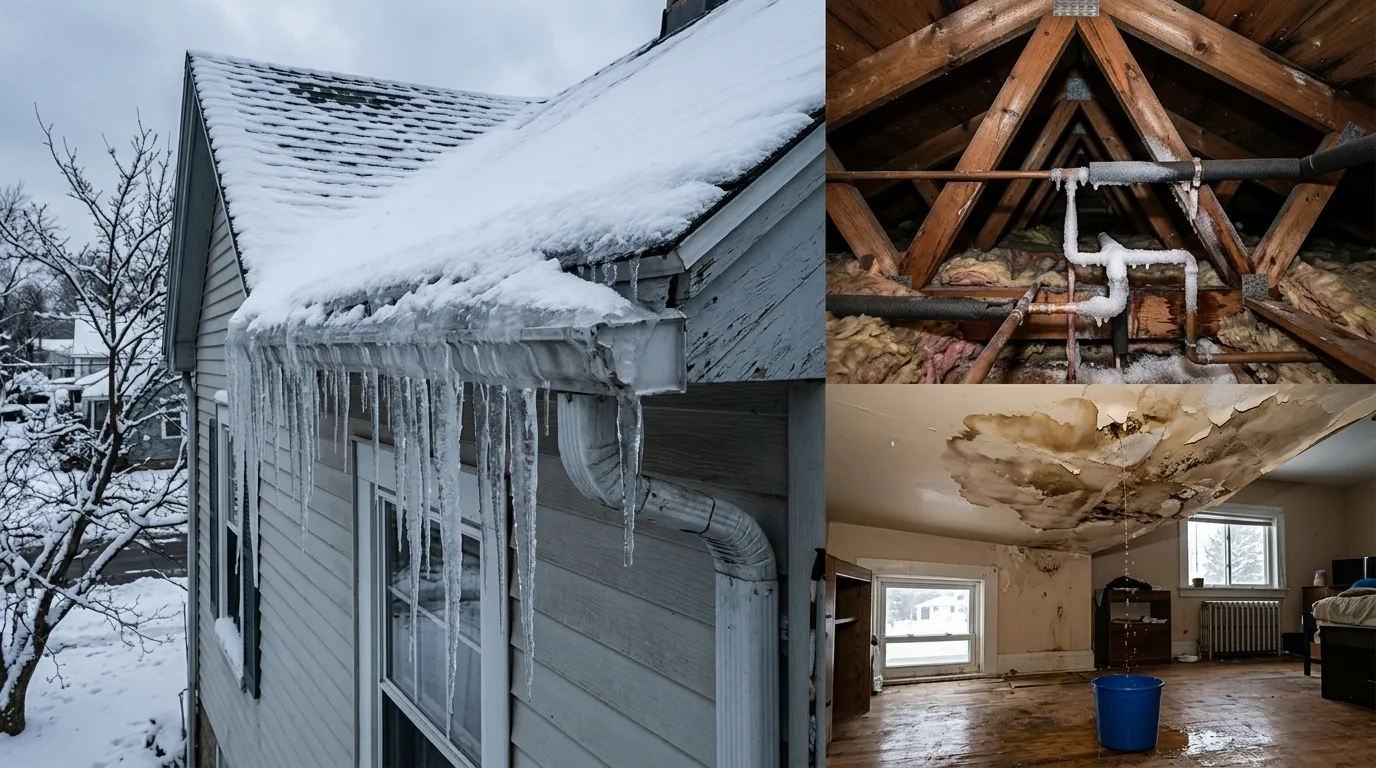
The February 2021 Winter Storm Uri was a turning point for how Little Elm homeowners think about pipe freeze risk. Before Uri, many residents assumed that Texas winters were too mild to warrant the kind of pipe insulation and preparation that colder-climate homeowners take for granted. After Uri left thousands of Denton County homes with burst pipes, the perspective shifted. This guide gives you a practical, actionable freeze-prep checklist specifically calibrated for Little Elm’s climate and housing stock.
In this post, we cover the freeze vulnerabilities specific to Little Elm homes, a step-by-step winter prep checklist, what to do during a hard freeze warning, and how to respond if a pipe bursts despite your preparation.
Past Freeze Damage? Get a Free Pipe Vulnerability Assessment
We serve Little Elm and all of Denton County. Call (877) 698-1311 to schedule a pre-winter assessment.
Why Little Elm Homes Have Unique Freeze Vulnerability
North Texas pipe freeze risk is different from cold-climate states in an important way: the entire housing stock is designed for a climate that rarely experiences sustained subfreezing temperatures. This means pipes that run through exterior walls, unconditioned attic spaces, and garage walls are common in Little Elm construction — locations that would be considered unacceptable for pipe routing in Minnesota or Michigan.
Homes in Harvest, Union Park, and Paloma Creek built with PEX plumbing run some supply lines through attic spaces as part of the overhead repiping strategy used for slab-leak prevention. While this approach solves the clay-soil slab-leak problem, it creates freeze vulnerability in the attic when temperatures drop suddenly — attics in North Texas homes are typically uninsulated from extreme cold, and pipe insulation in these spaces is often minimal.
The irrigation systems and hose bibs on the exterior of Little Elm homes are another frequently overlooked vulnerability. Exterior hose bibs that aren’t properly winterized allow water to remain in the exterior portion of the line where it can freeze and split the fitting — which is inside the wall cavity, not at the bib itself, creating a leak that won’t be discovered until the pipe thaws and water begins flowing into the wall.
Little Elm Winter Freeze Prep Checklist
Insulate vulnerable pipes. Use foam pipe insulation tubes (available at any hardware store) on pipes running through unconditioned spaces — attic, garage, crawl space, or exterior walls. Focus especially on water supply pipes in areas that receive the least internal building heat. This is the highest-priority action for Little Elm homes built before 2010.
Know your main shutoff location. In most Little Elm homes, the main water shutoff is at the property line in a ground-level meter box, or near the front foundation wall inside a utility chase. Locate it now, while it’s not an emergency. Make sure all adult household members know where it is and how to operate it.
Disconnect and drain exterior hose bibs. Before the first forecast freeze, disconnect garden hoses from all exterior hose bibs. Turn off the interior shutoff valve for each hose bib if one exists (many newer homes have them inside the wall behind the bib). Open the exterior bib briefly to drain the line, then close it. This removes the water from the portion of the pipe exposed to outside temperatures.
Keep garage doors closed during freezes. If water supply lines run through your garage — common in Paloma Creek and Savannah homes with utility rooms in the garage — keep the garage door closed during hard freezes. The garage space, even unheated, provides significant temperature protection compared to open air.
Maintain indoor temperature during extended absence. If you leave Little Elm during a winter freeze event, do not set your thermostat below 55°F. The cost of heating an empty house is far less than the cost of a burst-pipe water damage restoration project. For extended absences, consider shutting off the main water supply and draining the system if a hard freeze is forecast.
Open cabinet doors under kitchen and bathroom sinks. Pipes under exterior-wall sinks are among the most commonly frozen in North Texas homes. Opening the cabinet doors allows interior home heat to reach the pipe space during a freeze event — a simple, zero-cost protection step.
Preparing Your Little Elm Home for Freeze Season?
Our team can assess pipe vulnerability before winter arrives. Call (877) 698-1311 for a pre-season check.
What to Do During a Hard Freeze Warning in Denton County
When Denton County’s National Weather Service office issues a hard freeze warning (temperatures below 28°F for 4+ hours), implement these steps:
Allow a slow drip from the farthest-point faucets in the home — typically a bathroom sink on an exterior wall or the farthest room from the water heater. Moving water is significantly less likely to freeze than standing water, and the water cost of a slow drip for 24–48 hours is trivial compared to a burst-pipe event.
Confirm the location of your main water shutoff. During a hard freeze, hundreds of households in Little Elm may be calling contractors simultaneously — having already located and practiced using your shutoff means you can stop water flow within seconds if a pipe bursts, rather than spending critical minutes searching for it.
If you have a smart home water monitoring system — devices like Flo by Moen or Phyn that detect flow anomalies — enable freeze alerts before a forecast freeze event. These systems can identify unusual flow patterns that indicate a leak even before visible water damage appears.
How Winter Storm Uri Changed the Approach in Denton County
The February 2021 Winter Storm Uri produced temperatures that dropped to 2°F in Little Elm — temperatures that North Texas housing infrastructure had not experienced in living memory. The burst-pipe event was not primarily caused by negligent homeowners failing to winterize. It was caused by pipe routing in locations (exterior walls, attics, garage walls) that Texas construction practice had never needed to protect, facing temperatures those locations were never designed to survive.
The practical lesson from Uri for Denton County homeowners is to audit your home’s pipe routing specifically. Walk through your home with a flashlight and identify every visible pipe run — in the garage, under crawl spaces if applicable, through attic spaces. Any pipe run that has no access to building heat is a freeze vulnerability at temperatures below about 20°F. Adding pipe insulation to these runs is the single highest-impact preventive investment you can make for a Little Elm home.
What Affects the Cost of Freeze-Related Water Damage in Little Elm
When prevention fails and a pipe bursts during a freeze event, the restoration cost follows the same structure as other water damage events in Little Elm — averaging $2,087–$2,144 for a standard cleanup, with wide variation based on how many pipes burst, how quickly the water was shut off, and how long the freezing temperatures prevented normal detection and response. During Uri, many Little Elm homeowners could not respond immediately because roads were impassable and emergency services were overwhelmed — resulting in water running undetected for hours or days, pushing costs to the $8,000–$15,000+ range.
Insurance claim restoration for freeze-event pipe bursts is typically covered under standard Texas homeowner policies as sudden and accidental water damage. The key documentation requirement is establishing that the pipe failure was sudden — not the result of gradual deterioration or inadequate maintenance. Detailed water shutoff timestamps, photos of the ruptured pipe, and prompt notification to your insurer are the documentation elements that ensure smooth claim processing.
Frequently Asked Questions About Frozen Pipes in Little Elm
What temperature causes pipes to freeze in Little Elm homes?
Pipes in exterior walls, attic spaces, and garages in Little Elm homes typically begin freezing when sustained outdoor temperatures drop below 20°F — reached during severe freeze events like Uri. Pipes in interior wall cavities with access to building heat are generally protected until temperatures drop below 15°F for extended periods. The pipe routing location, not just outdoor temperature, determines actual freeze risk for a specific home.
Does homeowner insurance cover frozen pipe damage in Texas?
Yes — standard Texas homeowner policies generally cover sudden water damage from a frozen and burst pipe. The coverage typically requires that the home was reasonably heated and that the pipe failure was sudden rather than the result of ongoing negligence. Keeping your thermostat above 55°F during freezes and documenting that you took reasonable steps is the best protection for coverage disputes.
How long does freeze-damage water damage restoration take in Little Elm?
A single burst pipe caught within a few hours typically takes 5–10 days for extraction, drying, and repairs. Multiple simultaneous pipe failures — common during severe events like Uri — can take 3–6 weeks for full restoration when structural components are involved. The contractor capacity constraint during major freeze events also affects timeline — establishing a relationship with a restoration company before freeze season means you have priority response when demand peaks.
Protect Your Little Elm Home Before Freeze Season Hits
Call (877) 698-1311 for a pre-winter pipe vulnerability assessment. We serve Little Elm, Frisco, Denton, and all of Denton County.
Related: